
Dogs, who are they?
- Apr 19
- 4 min read
Let's start at the beginning.
Dogs have been with us for at least 40,000 years. Before we were farmers, before we had domesticated any other species, there were dogs. That's worth sitting with for a moment.
The relationship between humans and dogs is older than agriculture, older than settled communities, older than most of what we think of as civilisation.
Dogs are a species in their own right. They evolved from a common ancestor shared with the grey wolf, but modern dogs are as far removed from that ancestor as modern wolves are. They are not tame wolves. They are not failed wolves. They are something that happened alongside us, shaped by the same long relationship we tend to think only shaped us.
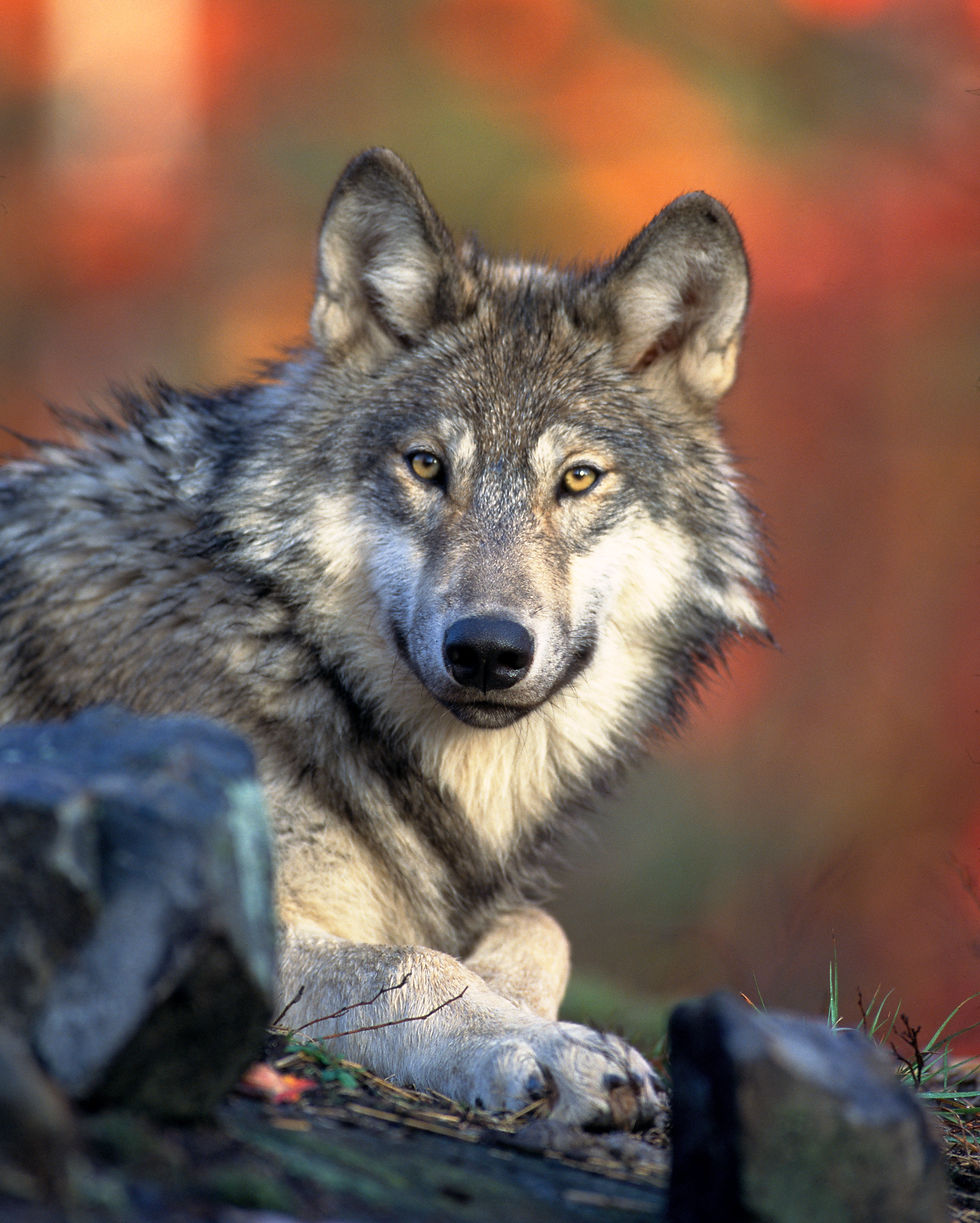
How this process happened is still hotly debated but there must have been something beneficial for all parties involved.
Most domesticated species have been selectively bred to produce offspring suited to our needs rather than their own. Wheat and barley bred for bigger seeds. Cows bred to be smaller and more docile. Dogs were no different, except the selection started with something more interesting than size or yield. It started with behaviour.
Dogs who showed an aptitude for a particular behaviour were favoured. They got extra food, they were treated better, their puppies were more likely to show the same behaviours. That line survived. That line got stronger. Over thousands of years, across hundreds of contexts, humans were essentially voting for certain ways of being in a dog, and the dogs who fit what was needed thrived.
Over time, certain behaviours were selected for. At first, unlikely to be intentional, domestication had never taken place before. Those humans were not planning tens of thousands of years ahead. Yet still, they may have inspired farming, changing our lives forever and dogs have been on that journey with us the whole way.
Some of the first dogs were pointing dogs for hunting, for flushing quarry, searching for quarry, conveying quarry. Dogs to herd livestock, to guard it, to pull sleds, to hunt vermin. In the orient, dogs kept purely as companions, bred for nothing more than being good to be with. Some dogs were bred to be eaten. There was even a breed whose specific job was to run inside a wheel in a kitchen to turn a spit over a fire.
The turnspit dog. Look it up, it's worth it.

The point is that function came first. Always. The form of the dog, the way it looked, the shape of its body, followed from what their new role in the human society required of them.
Then something shifted
We know from an ongoing experiment started by Dmitri Belyaev and Lyudmila Trut with silver foxes, running now for over 60 years, that selecting for certain behaviours changes the way an animal looks. Just selecting for friendliness and tameability produced changes nobody expected. Floppy ears. Curled tails. Spotted coats. Smaller skulls. Juvenilised features. The behaviour and the form turned out to be more connected than anyone realised.
The same thing happened in dogs, over a much longer time period. Selection for behaviour shaped form. Modern day village dogs are a mid sized, brownish tan. Most free living dogs are this colour and size.
The border collie's body is built around the stalk. The greyhound's around the chase. The spaniel's around the flush and the find. Function and form were the same conversation for most of dog history.
Then came the Victorian era, and dog shows, and something changed.
Initially there was still an element of dogs having to prove they could do the job they were bred for. But that didn't last. It shifted, fairly quickly, to dogs being selected for meeting a physical criteria. How they looked. Whether they conformed to a standard written down by people who had decided what the breed should look like. The behaviour, the thing that had driven thousands of years of selection, stopped being the point.
Which means that many of the dogs alive today carry drives, instincts, ways of perceiving and responding to the world, that were built over tens of thousands of years of functional selection, and they live in houses. They walk on leads. They spend large parts of their day doing nothing in particular.
The border collie who would have spent time working livestock now watches the children play in the garden and feels something fire that has nowhere to go.
That is not a behaviour problem. That is a dog being exactly who they were made to be, in a context that wasn't designed with them in mind.
The very behaviour they were created for, that helped feed your ancestors, can't just be switched off.
Understanding that is where everything else starts.
If this has sparked something and you want to go deeper into what free ranging dogs tell us about dog behaviour, Sindhoor Pangal's work at BHARCS is worth your time.

Comments